|
|
|
Wow this is just too good. Anthropic just won't stop releasing new game-changing features. |
Now we just got a brilliant new Code Review feature in Claude Code -- a much much needed addition in this grand modern era of AI-assisted coding. |
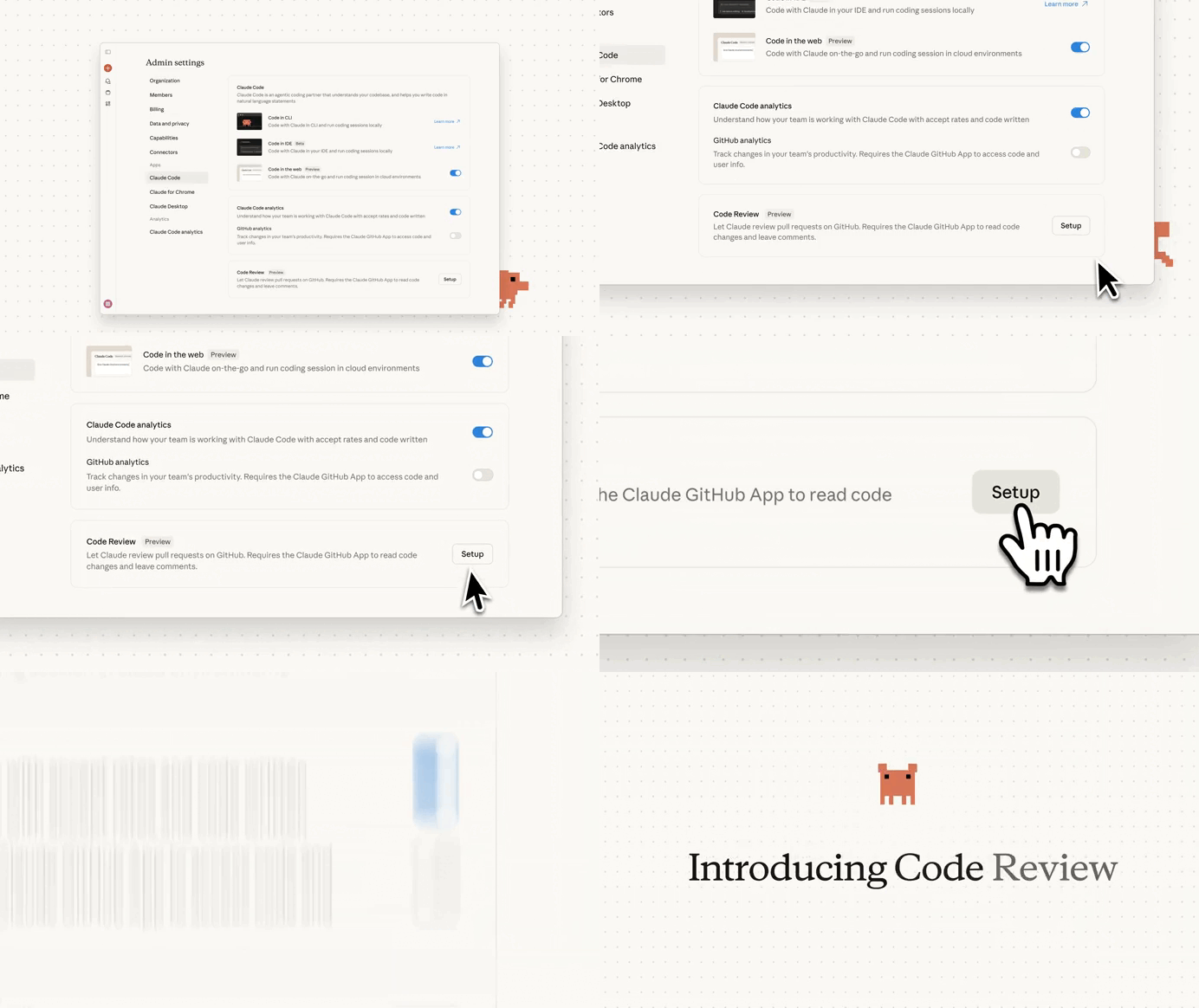
Just look at how amazing it was in action -- first we set it up in Claude Code: |
|
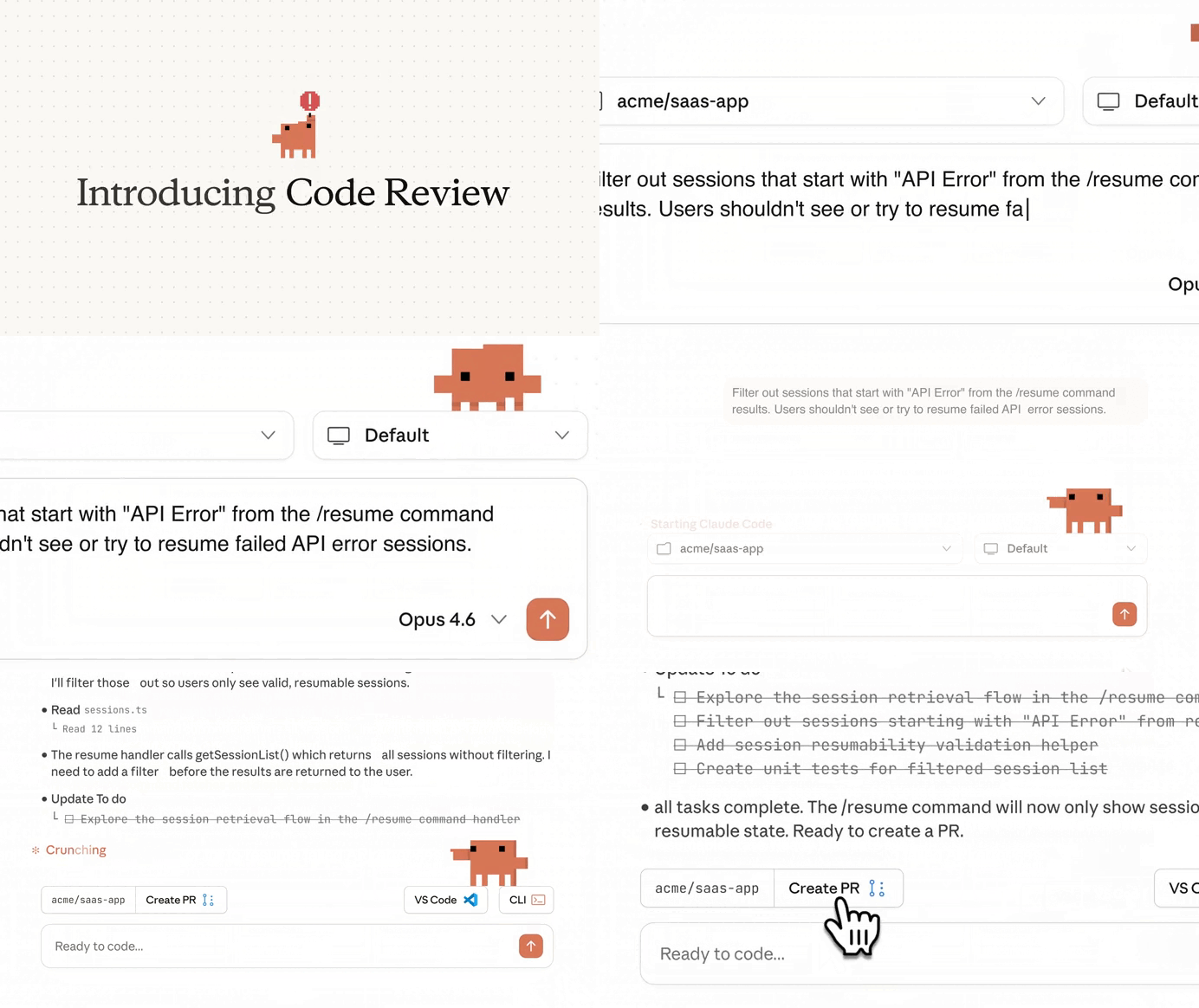
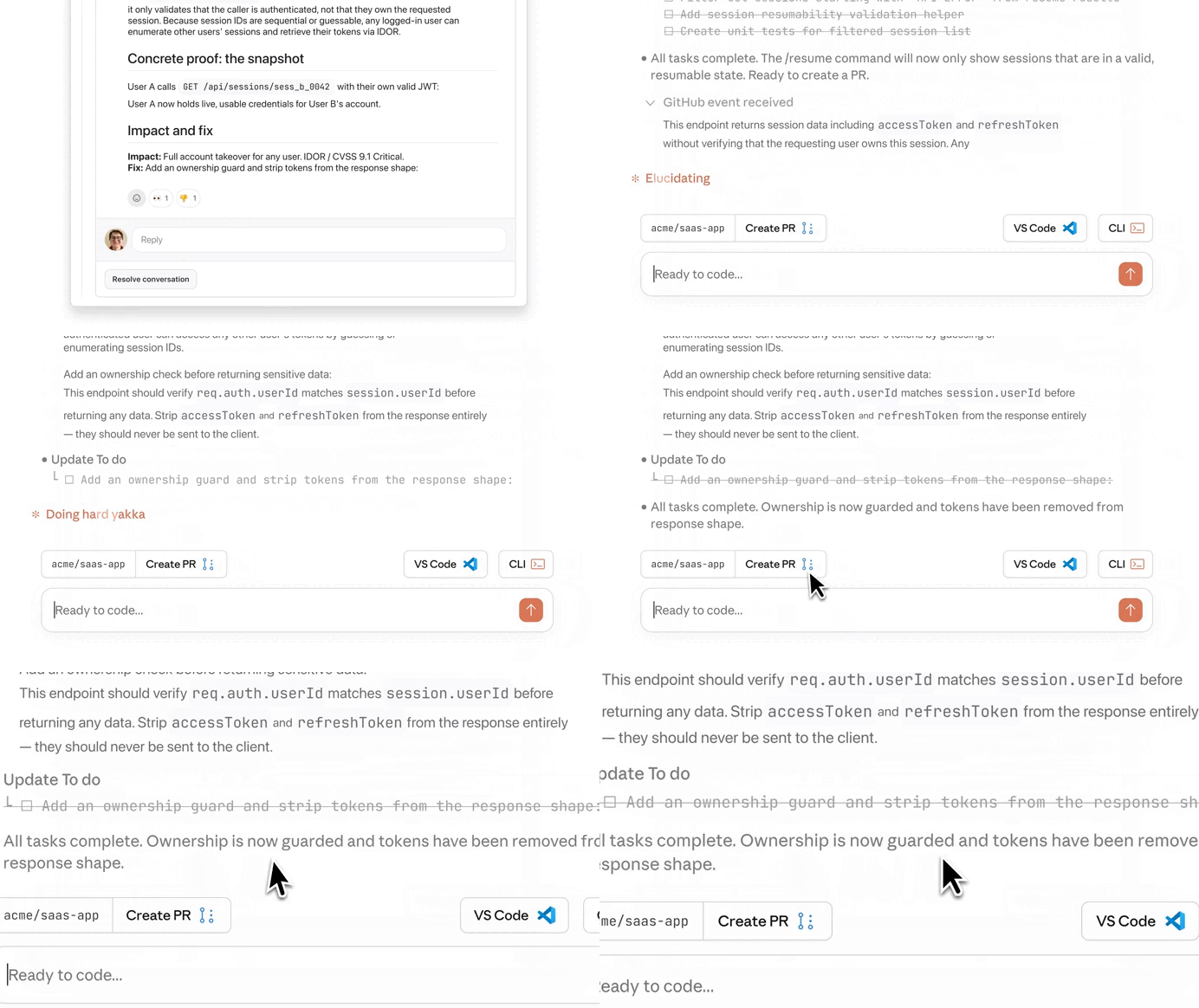
We used Claude Code to make a change to the codebase -- this is the coding part: |
|
Then we created a pull request from the results: |
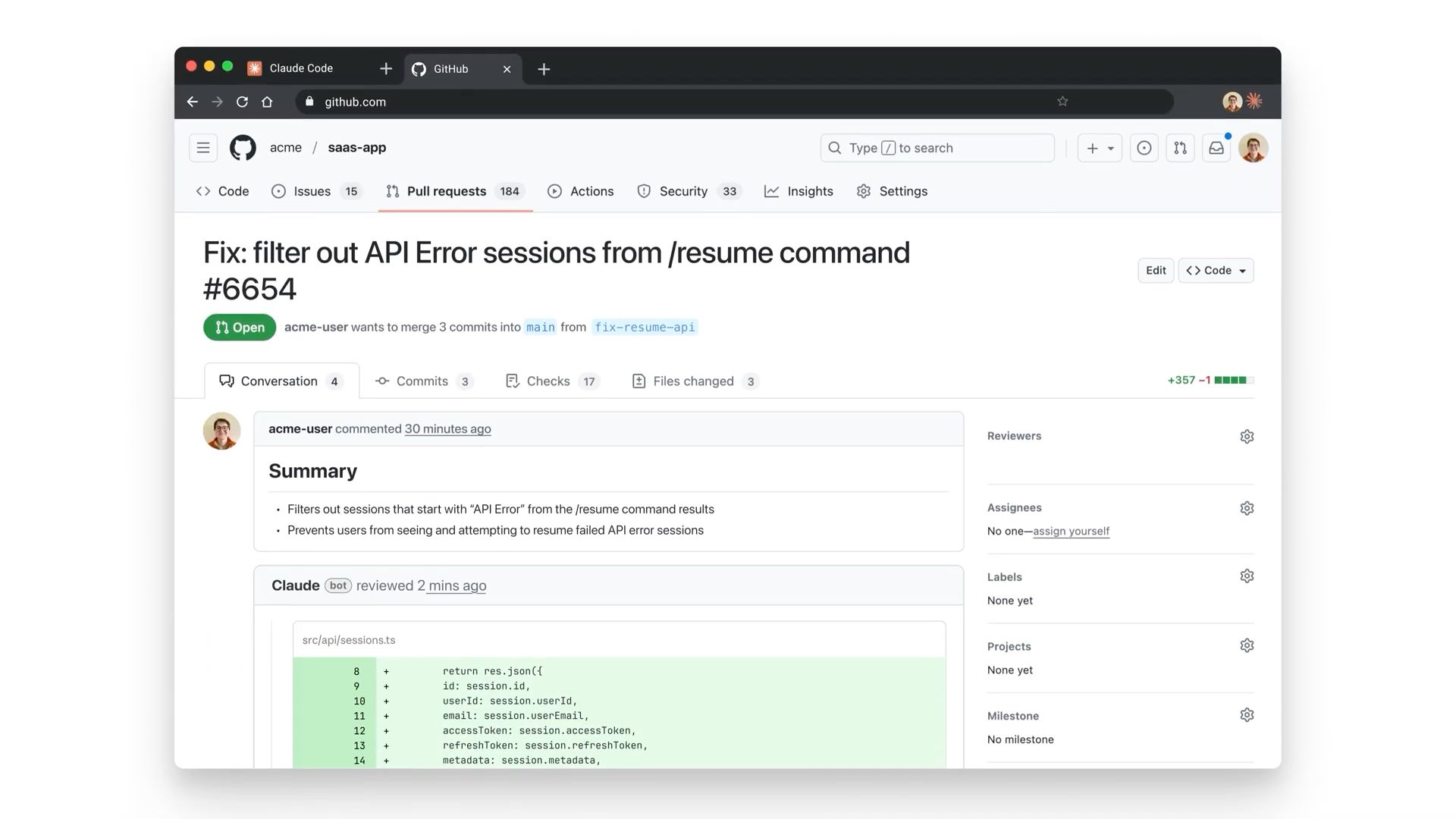
Immediately we create a pull request, Claude Code automatically started reviewing out changes: |
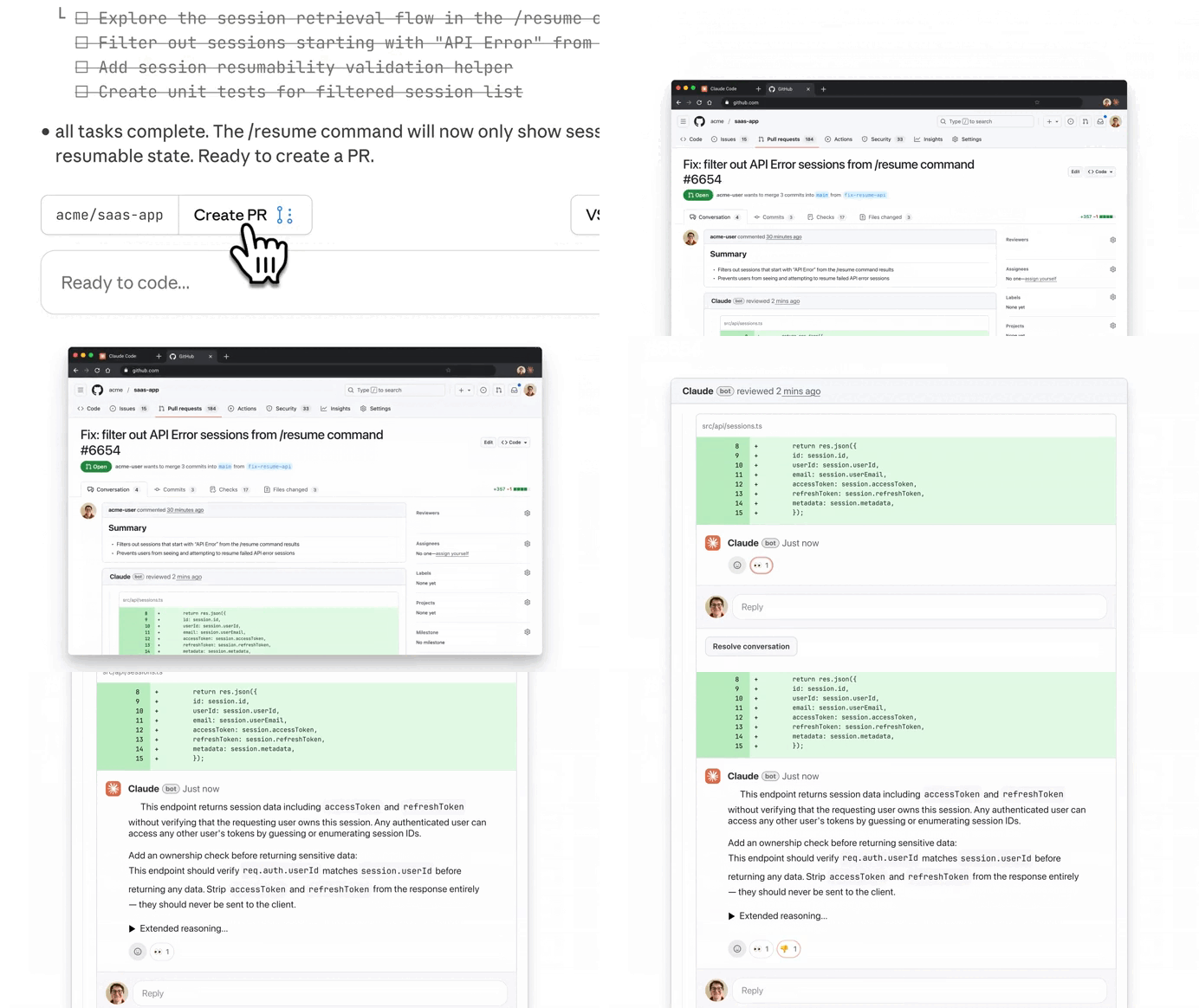
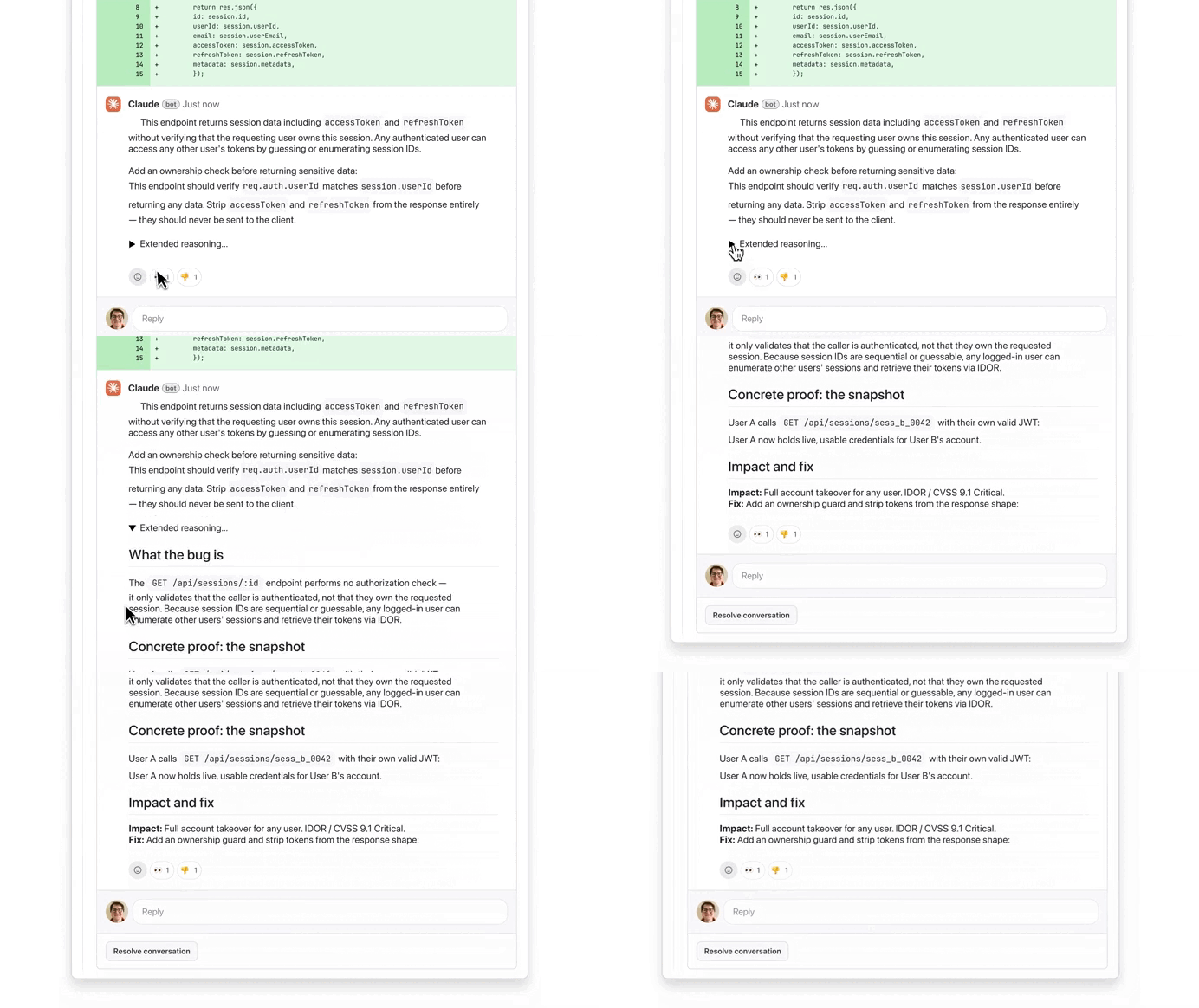
It found serious issue: |
|
We used the button to see more details on this ownership check issue, thanks to Extended reasoning: |
|
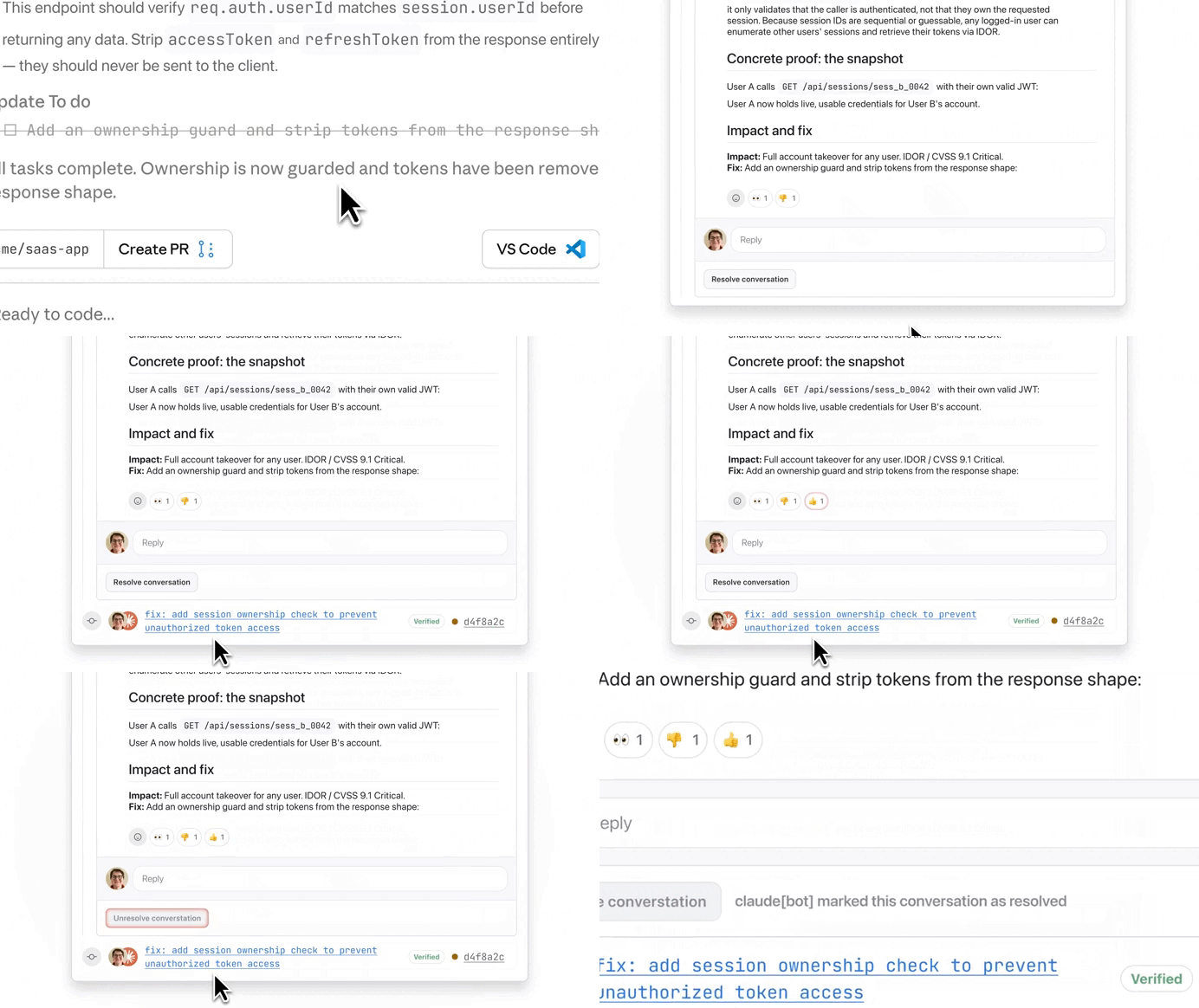
Claude started fixing the issue right away -- it's literally doing everything now -- generate, test, review, fix... -- while still giving you expert control to step in whenever you need to: |
|
And just like that we fixed an issue that would have caused serious problems if it ever made its way to production: |
|
AI coding tools dramatically increased how quickly developers produce code. But the problem now is reviewing it. |
Anthropic's new Code Review feature in Claude Code is here to help teams keep up with this massive surge in pull requests. |
Instead of simply summarizing diffs, it analyzes PRs using multiple agents, verifies findings before posting comments, and prioritizes issues so developers can focus on what matters first. |
Let's check out all the key features of Claude Code Review and all the ways it benefits you as a developer. |
1. Multi-agent architecture |
One of the most interesting parts of Claude Code Review is how it analyzes pull requests. |
When a PR opens, Claude dispatches a team of agents to examine the code simultaneously. |
|
|
Each agent analyzes the change from a different angle, such as logic correctness, potential regressions, or security implications. |
Rather than relying on a single pass through the diff, the system runs multiple analyses in parallel. This mirrors how human reviews often work: different reviewers tend to notice different classes of issues. |
By distributing the work across specialized agents, Claude can explore several reasoning paths at once and surface findings that might otherwise be missed. |
2. Verification loop |
Finding potential bugs is only the first step. The system also tries to ensure those findings are reliable. |
After agents identify issues, the results pass through a verification step. |
Findings are cross-checked, duplicates are removed, and weaker or uncertain claims are filtered out before comments appear in the pull request. |
|
|
This verification loop is important because AI tooling is only useful if developers trust the feedback. Without it, teams can end up spending more time validating AI comments than fixing real issues. |
By verifying findings internally first, the system aims to reduce false positives and increase confidence in the comments that do appear. |
3. Severity ranking |
Not every… |
|
The Future of AI in Marketing. Your Shortcut to Smarter, Faster Marketing. |
|
This guide distills 10 AI strategies from industry leaders that are transforming marketing. |
Learn how HubSpot's engineering team achieved 15-20% productivity gains with AI Learn how AI-driven emails achieved 94% higher conversion rates Discover 7 ways to enhance your marketing strategy with AI.
|
Outpace your competitors by mastering AI. |
Get Your Free Guide |
The Free Newsletter Fintech and Finance Execs Actually Read |
|
Most coverage tells you what happened. Fintech Takes is the free newsletter that tells you why it matters. Each week, I break down the trends, deals, and regulatory shifts shaping the industry — minus the spin. Clear analysis, smart context, and a little humor so you actually enjoy reading it. Subscribe free. |
Sign Up Free |




0 Komentar untuk "Claude Code’s new AI code review feature is simply unbelievable"